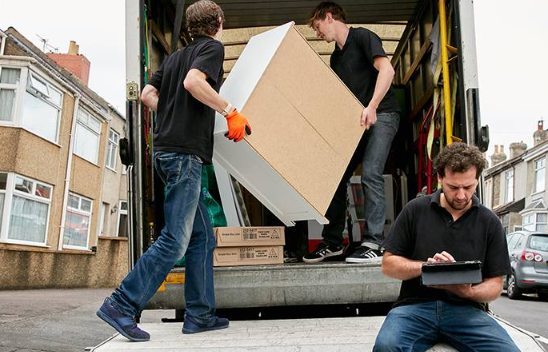
7 Moving Mistakes Britons Still Make Today
Moving house is supposedly one of life’s most exciting milestones. You get a fresh start, a new neighbourhood, maybe finally a garden big enough for a barbecue.
And yet, somehow, it tends to feel less like a celebration and more like a punishment you signed up for voluntarily.
The chaos doesn’t have to be inevitable, though. Most moving disasters trace back to the same handful of mistakes, ones that Britons keep making, year after year.
So, here are seven of the biggest moving mistakes that britons make, and exactly how to avoid them.
1. Not Planning Ahead
If there’s one mistake that sets every other mistake in motion, it’s this one. Too many people treat moving day as something that will somehow fall into place, leaving packing until the night before, borrowing a van, and hoping for the best. It rarely works out that way.
Start planning at least eight weeks before your moving date. That gives you enough time to find a removal company, gather packing supplies, and handle all the logistical pieces without losing your mind in the final week.
Create a moving timeline and tick things off as you go. It’s simple, but it works. The earlier you start, the less you’ll be frantically wrapping kitchen plates in old newspaper at midnight before moving day.
2. Underestimating Costs
Moving costs more than most people expect. Between hiring a removal company, buying packing materials, paying for storage, and covering overlap on rent or bills, the total can climb alarmingly fast.
Here’s how you can avoid that hiccup entirely:
Create a Comprehensive Budget
Sit down and list every possible cost before you commit to anything. Make sure to include packing tape and boxes, cleaning fees for your old property, utility reconnection charges, and any parking permits you’ll need on moving day.
Add a contingency buffer of around 10–15% for unexpected expenses. Trust us, there will always be unexpected expenses.
Compare Quotes to Save Money
Don’t accept the first removal quote you receive. Prices can vary considerably between companies, and a quick comparison could save you a meaningful chunk of money. So, aim to get at least three quotes before making a decision.
Make sure each quote covers the same scope of work, so you’re comparing like for like. A suspiciously cheap quote might not include packing, fuel, or VAT. Always read the details.
Watch Out for Hidden Fees
Some removal services may include additional charges for things like stairs, longer distances between the van and the property, or items that require special handling.
It’s worth clarifying these details in advance so you know exactly what to expect, especially if your ‘just a few boxes’ turns out to include a wardrobe that weighs as much as a small car.
Take the time to read contracts carefully and ask questions if anything is unclear. A good provider will be happy to walk you through their pricing and keep everything transparent from the start.
3. Ignoring Professional Help
There’s a certain stubborn British tendency to insist on doing everything yourself. A couple of mates, a rented van, and a heroic sense of optimism.
And sometimes, when you’re only moving a few boxes or a small flat, that works out fine. But in most cases, especially those involving large furniture or a significant distance, it really doesn’t.
Professional removal services exist for a reason. They have the equipment, the training, and the experience to move your belongings safely and efficiently. Specialised moving services can also handle unusual items like pianos, antiques, or large appliances.
The cost of hiring professionals is often far less than the cost of a broken sofa, a damaged door frame, or a pulled back muscle. Give that some thought before you enlist your reluctant mates.
4. Not Decluttering
Packing up every single item in your home and transporting it to a new one is an expensive, time-consuming, and, frankly, exhausting mistake.
Yet plenty of people do exactly that, including things they haven’t used in years and broken appliances they mean to fix. They also end up bringing unopened boxes from the last move.
What you should do is declutter well before moving day, not the night before. Go room by room and be honest with yourself.
If it’s broken, bin it; otherwise, consider donating or selling it. Charity shops across the UK will gladly take good-condition items, and a quick online listing could put a little cash back in your pocket.
5. Failing to Notify Important Parties
Changing your address sounds like a small task. But in practice, it’s one of the most drawn-out parts of moving, largely because most people forget half the organisations they need to notify until something goes wrong.
Start a list early and add to it as you think of things. The obvious ones include your bank, HMRC (His Majesty’s Revenue and Customs), your GP (General Practitioner), and the DVLA (Driver and Vehicle Licensing Agency).
Don’t overlook subscriptions, loyalty cards, insurers, pension providers, and anyone who sends you post regularly.
You can also set up a Royal Mail redirection service to catch anything that slips through while you update your details. It’s a brilliant safety net and well worth the small cost for peace of mind.
Tell people early. The last thing you want is an important letter turning up at your old address and being opened by the new occupants out of curiosity.
See also: SEO vs Paid Ads: Which Is Better to Advertise a Business?
6. Overlooking Insurance
Most people assume their belongings are covered during the moving process. Most of the time, they’re not, or not fully.
Standard home insurance policies often don’t cover items in transit. And the basic liability included in a removal quote may not stretch very far if something valuable gets damaged.
Check your existing home insurance policy before moving day. Try to find out exactly what’s covered and what isn’t. If there are gaps, look into specialist removals insurance or ask your removal company what cover they offer and under what circumstances it applies.
It’s not the most exciting part of moving, but it’s one of the most sensible. You’d rather discover a coverage gap before moving than after your television arrives in pieces.
7. Rushing on Moving Day
Moving day has a way of instilling a sense of urgency from the moment you wake up, and that pressure leads to sloppy decisions. Boxes get shoved anywhere, fragile items get stacked poorly, and somehow the kettle ends up in the one box you can’t find.
Label every box clearly with both the contents and the destination room. Pack an essentials bag for each person: phone charger, clothes, toiletries, and, crucially, the kettle.
If possible, give yourself a buffer. A bit of breathing room means you’re not trying to juggle keys, boxes, and directions all at once.
Conclusion
Moving house is always going to be a massive undertaking, but it doesn’t have to be a disaster. The difference between a week of pure chaos and a smooth transition comes down to preparation.
By dodging these seven common traps, you’re protecting your sanity. So, step into your new home with a plan, a realistic budget, and the kettle within reach. You’ve got this.