NABERS Rating Australia: Complete Star Rating Guide for Energy-Efficient Buildings
Picture this – your building could be eating up 40% more energy than necessary, a shocking reality that most Australian property owners walk past every day without knowing the real cost of inefficiency. The NABERS rating changes everything by giving you actual numbers and real data.
This rating system does something different from other green schemes by looking at how your building performs right now, in the present moment. You get a rating based on real utility bills and actual consumption patterns, and thousands of buildings across Australia already have their NABERS energy rating. These property owners discovered something important – sustainability saves serious money.
Now, let’s dig into more details:
What is NABERS Rating?
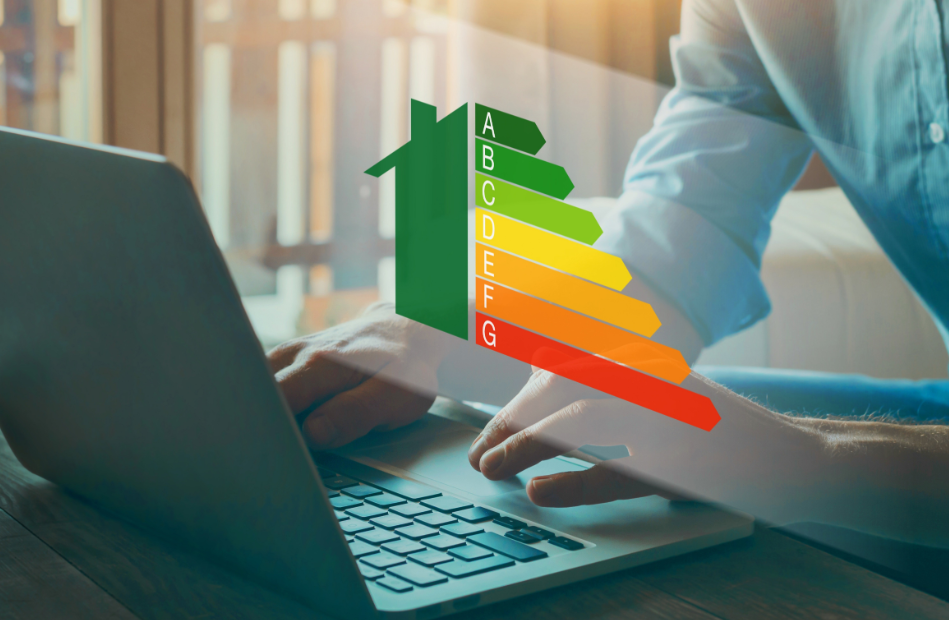
NABERS rating measures how well your building uses resources during everyday operations, much like a school report card, where your building gets stars from 1 to 6. Six stars means your property performs at the top of the market, while one star means you have work to do.
The beauty of this system lies in its honesty because you cannot fake good performance. NABERS ratings explained in simple terms – they use your real utility bills, your actual water consumption, and your genuine waste output, so the data tells the story. Your building either runs efficiently or it does not.
The NABERS building rating system assesses five main areas: energy consumption, water use, waste generation and recycling, indoor air quality and comfort, and overall building performance. Most building owners start with energy ratings because the return on investment appears faster, with energy bills dropping and savings showing up in your bank account within months.
How Does the NABERS Star Rating Guide Work?
The NABERS star rating guide uses a simple 1-to-6 scale where one star sits at the bottom, and six stars represent the best buildings in Australia. Right now, most office buildings without green initiatives score around 2.5 to 3.5 stars.
Here is what each level means:
- 1-2 Stars: Your building underperforms with high energy costs, meaning you need improvements soon.
- 3 Stars: You meet basic standards with nothing special, and your competitors probably match this level.
- 4 Stars: You have moved into good territory where operating costs drop and green-minded tenants notice your building.
- 5 Stars: Your building stands out as you pay less than competitors and tenants see your commitment to the environment.
- 6 Stars: You lead the market with your building performing better than almost everyone, benefiting both your wallet and the planet.
Your score comes from 12 months of metered data, which captures summer heat and winter cold, while the assessment considers your building size, operating hours, and climate zone. Everything gets factored in for fairness.
Understanding NABERS Energy Ratings
NABERS energy measures your electricity and gas use by comparing your building to thousands of similar properties in a national database, allowing you to see exactly where you stand.
Energy ratings break down your consumption carefully, with base building services measured separately from tenant spaces. Lifts, hallway lights, heating, and cooling systems fall into the base building category, while tenant spaces get their own assessment. This split helps pinpoint problems – maybe your building systems run well, but tenants waste power, or perhaps your base systems need upgrades while tenants do fine.
Commercial offices make up most NABERS energy assessments, though the system also works great for:
- Hotels
- Shopping centres
- Data centres
- Apartment buildings
Each property type has its own benchmarks that reflect normal usage for that building style.
Getting certified takes about 4 to 6 weeks as an accredited assessor gathers your utility data first and checks everything carefully. Climate adjustments get applied, operating patterns get normalised, and then your final rating gets calculated with no guessing – just pure numbers and analysis.
See also: SEO vs Paid Ads: Which Is Better to Advertise a Business?
NABERS Energy, Water, Waste, Indoor Environment Ratings
NABERS offers four different rating types, with each one examining a specific part of building performance so you can choose which ratings matter most for your property.
● NABERS Energy
This tracks your electricity use, gas consumption, and diesel if you use it, while the system accounts for solar panels or other renewable generation. Climate adjustments ensure fair comparison across different Australian regions.
● NABERS Water
Your potable water consumption gets measured here, including cooling towers, irrigation systems, toilets, and taps, though industrial process water gets excluded. Benchmarks adjust for your climate zone.
● NABERS Waste
This evaluates how much waste you create while tracking recycling rates and contamination levels. The rating encourages better waste practices as landfill diversion becomes measurable and rewarded.
● NABERS Indoor Environment
Air quality gets assessed here along with temperature comfort, lighting quality, and sound levels. This rating focuses on people because comfortable workers stay productive, happy tenants renew leases, and premium rents follow naturally.
You can tackle multiple ratings at once, though many owners focus on one area first. Energy ratings come first for most buildings because utility bills provide ready data, and water ratings usually follow second.
Why NABERS Ratings Matter for Australian Property Owners?
Commercial property owners across Australia now demand NABERS ratings, with the reasons going beyond feel-good environmental talk as real money sits on the table.
Buildings with 4.5 stars or higher charge more rent, with the premium running 3-5% above unrated buildings, while operating costs fall by 20-40% compared to poor performers. That cash flows straight to you every month and every year.
Major tenants now require minimum NABERS energy scores, with government departments often needing 4.5 stars minimum and big corporations writing sustainability into their property requirements. Without a solid rating, premium tenants walk past your building and rent somewhere else.
Property values reflect green performance too, as NABERS-rated buildings sell for 10-15% more than comparable properties without ratings. Investors understand the math – better performance means lower risk, higher income follows, and higher valuations result.
Several Australian states already mandate NABERS ratings for larger buildings, and more regulations will arrive soon. Getting rated now puts you ahead of the curve and helps you avoid last-minute scrambles later.
The NABERS Assessment Process
- Getting your rating follows clear steps, beginning when you contact an accredited NABERS assessor from the official website’s list of qualified professionals, as only these accredited experts can issue legitimate ratings.
- Your assessor requests specific documents, including utility bills covering 12 full months, building floor area measurements, operating hours and schedules, tenant versus landlord consumption data, and information about generators or major equipment.
- The assessor enters everything into the official rating tool, which applies climate corrections and normalises building characteristics before calculating your score. The whole process runs transparently with published methods, meaning no hidden tricks.
- You receive a certificate good for 12 months, with annual reassessment keeping your rating current. This yearly review maintains accountability while progress gets tracked over time, allowing you to see improvements clearly.
Costs depend on your building size and complexity, with a standard office energy rating running $1,500 to $5,000, though complex properties with mixed uses might cost more. Most buildings recover this investment fast, as the savings found during assessment often exceed the rating cost.
Improving Your NABERS Rating
Jumping from 3 stars to 4 stars feels tough at first, but the good news is that many buildings boost their scores through simple changes that often need zero capital spending.
- Easy wins include adjusting HVAC schedules to match real occupancy, as many buildings blast heating and cooling at night and run full power on weekends with nobody inside. Tuning your controls saves 10-15% immediately, with your energy bill dropping next month.
- LED lighting upgrades pay back fast since modern LEDs use 75% less power than old fluorescent tubes and last years longer. Maintenance costs fall, and most buildings recover costs within 2 years.
- Water leaks waste thousands of litres, with that dripping tap costing money every day and running toilets pouring water down the drain. Regular checks and quick fixes prevent waste.
Bigger improvements bring stronger results through building management systems that show energy and water use in real time, allowing you to see waste as it happens. Smart systems spot problems automatically while performance gets optimised continuously, because you cannot fix what you cannot see – these systems shine light on everything.
New chillers, boilers, and air handlers cut consumption dramatically, with efficiency gains running 30-50% over old equipment. Yes, upfront costs run higher, but energy savings justify the spend while property values increase, too.
NABERS vs Other Green Building Certifications
Australia has several green building schemes, with each one serving different needs, so knowing the differences helps you pick the right path.
- Green Star rates building design by looking at environmental features planned during construction, with buildings getting recognised for sustainable elements, and the rating stays fixed after you receive it initially.
- NABERS works differently at its core by measuring ongoing performance using real data, so your rating shifts yearly based on actual consumption. This creates accountability where continuous improvement becomes necessary, and performance must stay strong.
- Both systems bring value, with Green Star showing design quality while NABERS proves operational results. Many top buildings pursue both certifications because they work together rather than competing.
- BASIX covers residential development in NSW by setting minimum standards for new homes, while NABERS residential ratings measure apartment building performance after construction finishes.
Commercial buildings gain most from NABERS energy ratings since the system was built specifically for offices, retail spaces, and mixed-use developments. Residential buildings can use the NABERS Apartment tool for assessments.
How Eco Certificates Support Your NABERS Journey?
Getting a building rated takes specialised knowledge, which is why Eco Certificates bring more than 15 years of experience helping Australian property owners reach sustainability goals. They have accredited NABERS assessors on staff who know the rating system completely, with their approach covering all rating types, including energy, water, waste, and indoor environment. This depth ensures accurate assessments while they spot improvement opportunities others miss.
Conclusion
NABERS rating means more than environmental bragging rights – it functions as a business tool where costs drop, quality tenants arrive, and property values climb. The focus on actual performance delivers honest feedback about efficiency.
Starting feels overwhelming sometimes, but you can break everything into small steps by getting your baseline energy rating first, finding quick improvements, making changes, and reassessing each year. Every star gained brings real financial returns, with environmental benefits following naturally.
Australian buildings face mounting pressure as tenants expect green buildings, regulations demand performance data, and investors want sustainability. NABERS provides your pathway forward, and taking the first step starts everything.