Top 5 Resources Every Nursing Student Needs for Academic Success
Entering the world of nursing is like stepping onto a moving treadmill that never stops. Between the 12-hour clinical shifts, the complex pharmacology exams, and the high-stakes SIM labs, it’s easy to feel like you’re just barely keeping your head above water. In fact, recent studies suggest that over 50% of nursing students experience significant academic stress that can lead to burnout before they even graduate. To survive and thrive, you need more than just a stethoscope and a pair of comfortable shoes; you need a strategic toolkit of resources that can help you bridge the gap between classroom theory and real-world patient care.
The pressure to perform is immense because, in our field, a “bad day” isn’t just a low grade—it involves human lives. Many students find that the heaviest burden is the sheer volume of written work required, from evidence-based practice papers to detailed case studies. During these peak stress periods, seeking professional Assignment Help UK services through reputable platforms like myassignmenthelp can be a game-changer for maintaining your mental well-being and ensuring your grades don’t slip while you’re focused on your clinical rotations. By outsourcing the heavy lifting of research and formatting, you can spend more time mastering the hands-on skills that will actually matter when you’re at the bedside.
The Evolution of Nursing Education
In the past, nursing was often taught through rote memorization and apprenticeship. Today, the focus has shifted toward Critical Thinking and Evidence-Based Practice (EBP). This means students aren’t just expected to know what to do, but why they are doing it based on the latest clinical research. This shift has made the curriculum significantly more dense. To stay ahead, you need to leverage modern technology and specialized support systems that align with these higher standards of care.
1. High-Authority Medical Databases (Beyond Just Google)
One of the first things you’ll learn in nursing school is that “Google it” is not an acceptable research method. For academic success, you need to become best friends with CINAHL (Cumulative Index to Nursing and Allied Health Literature) and PubMed.
These databases are the gold standard for medical research. When you are tasked with writing a paper on the latest protocols for pressure ulcer prevention or the efficacy of new diabetic medications, these platforms provide peer-reviewed journals that give your work the authority that professors look for.
- CINAHL: Specifically tailored for nursing and allied health. It allows you to filter by “Peer Reviewed” and “Journal Subset: Nursing,” ensuring your citations are beyond reproach.
- The Cochrane Library: This is a hidden gem for students. It contains “Systematic Reviews,” which are basically giant summaries of all the research done on a specific topic. If you’re writing a thesis, starting here can save you weeks of work.
2. Digital Anatomy and Physiology Tools
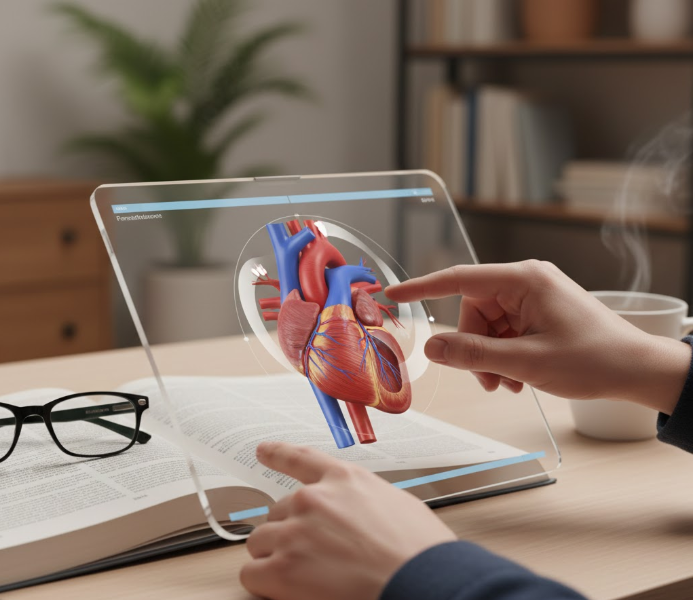
Textbooks are great, but the human body is three-dimensional and dynamic. Resources like Visible Body or Kenhub offer interactive 3D models that allow you to “peel back” layers of muscle and tissue to see how systems interact.
Understanding the “Why” behind a patient’s symptoms often comes down to a deep knowledge of anatomy. For example, if you can visualize the blood flow through the heart’s chambers, you won’t just be memorizing the signs of right-sided heart failure—you’ll actually understand them. These visual aids are especially helpful for the visual learners among us who find 500-page textbooks overwhelming.
3. NCLEX Prep Apps for “Micro-Learning”
You shouldn’t wait until your final semester to start thinking about the NCLEX. The most successful students use apps like UWorld or Saunders Comprehensive Review starting from day one. These apps allow for “micro-learning.” You can take a 10-question quiz while waiting for the bus or during a quick lunch break.
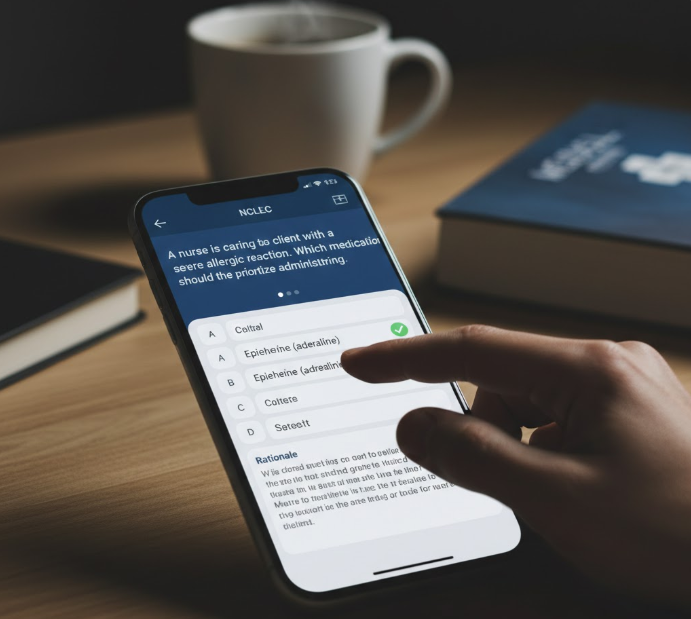
The rationales provided in these apps are often better than the explanations in standard textbooks because they teach you how to think like a nurse. They focus on prioritization (the “ABC” method: Airway, Breathing, Circulation) and delegation, which are the core pillars of the national licensing exam.
When the workload for these prep courses clashes with your university deadlines, many students look for specialized nursing assignment help to ensure their formal essays are completed to a high standard, allowing them to keep their focus on practice questions and clinical competency.
4. The Power of Nursing Care Plan Guides (ADPIE)
Writing your first Nursing Care Plan (NCP) is a rite of passage, but it can be incredibly tedious. You have to navigate the NANDA-I diagnoses, determine the “Related To” (r/t) factors, and list “As Evidenced By” (AEB) signs, all while creating SMART goals.
To succeed here, you must master the ADPIE process:
- Assessment: Gathering subjective and objective data.
- Diagnosis: Identifying the patient’s problem.
- Planning: Setting measurable goals for the patient.
- Implementation: Carrying out the nursing interventions.
- Evaluation: Checking if the goals were met.
Resources like Nurseslabs provide massive libraries of care plan examples that serve as a fantastic blueprint. While you should never just copy and paste, seeing how a professional organizes a care plan for “Ineffective Airway Clearance” can help you understand the logical flow required for your own assignments.
5. Time Management and Productivity Frameworks
Success in nursing isn’t just about what you know; it’s about how you manage your 24 hours. Many students fail not because they aren’t smart, but because they can’t balance the sheer volume of tasks.
- The Pomodoro Technique: Study for 25 minutes, then take a 5-minute break. This prevents the “mental fog” that happens after two hours of staring at a pharmacology book.
- Task Batching: Group similar tasks together. Do all your research for three different papers on Monday, and do all your writing on Tuesday. Switching between “research mode” and “writing mode” is a major time-waster.
- Active Recall: Instead of just re-reading your notes, close the book and try to explain the concept of “metabolic acidosis” out loud. If you can’t explain it simply, you don’t know it well enough yet.
Managing the “Hidden Curriculum”
There is a “hidden curriculum” in nursing school: the emotional labor. You will see things in the hospital that are difficult to process—grief, trauma, and systemic issues. Resources for your mental health are just as important as your textbooks.
Most universities offer free counseling services for healthcare students. Additionally, online communities like Allnurses or even specific nursing subreddits allow you to connect with others who are in the trenches with you. Sharing stories and realizing that your struggles are normal can provide the emotional resilience needed to finish your degree.
The Importance of High-Quality Citations
Google’s ranking algorithm (and your professors) love E-E-A-T. When you write your assignments, always look for the most recent data. In the medical world, anything older than five years is often considered “outdated.”
Using tools like Mendeley or Zotero can help you organize these citations. These tools automatically format your bibliography in APA style, which is the standard for most nursing programs. This ensures you don’t lose easy points on formatting errors—a common frustration for students who are otherwise brilliant in their clinical practice.
Why Peer Support is Your Secret Weapon
Never underestimate the power of a “study tribe.” Nursing is a team sport. In the hospital, you’ll rely on your fellow nurses to help you turn a patient or double-check a medication dosage. Starting this collaborative habit in school will serve you well.
Study groups allow you to split up the work. One person can summarize the respiratory system, another can take the cardiovascular system, and you can teach each other. Teaching a concept is the highest form of learning. If you can explain the “Renin-Angiotensin-Aldosterone System” to your classmate, you are guaranteed to ace that section of the exam.
Final Thoughts for the Future Nurse
The journey to becoming a Registered Nurse is a marathon, not a sprint. It requires a unique blend of scientific knowledge, physical stamina, and emotional intelligence. By utilizing these five resource categories—academic databases, 3D visual tools, NCLEX prep apps, care plan guides, and time management frameworks—you are setting yourself up for more than just a passing grade. You are building the foundation of a safe, competent, and compassionate career.
Remember, it is okay to ask for help. Whether it’s reaching out to a professor during office hours, joining a peer study group, or using professional academic services to manage a heavy week, the goal is the same: to graduate and provide the best possible care for your future patients.
Frequently Asked Questions
1. How can I better manage my time between clinicals and theory classes?
The best approach is to use the “batching” method. Dedicate specific days solely to hands-on clinical practice and others to heavy academic research. Using digital calendars to set hard deadlines for your first drafts will prevent last-minute rushes before a shift.
2. What is the most effective way to study for pharmacology?
Pharmacology requires understanding mechanisms rather than just memorizing names. Use flashcards for drug classifications and focus on the “prototype” drug for each class. Visualizing how a medication interacts with specific body systems helps the information stick long-term.
3. How do I ensure my nursing essays meet evidence-based standards?
Always prioritize peer-reviewed journals from the last five years. Academic databases like PubMed are essential for finding high-quality evidence. Ensure every clinical claim you make is backed by a reputable source to maintain professional credibility.
4. What should I do if I feel overwhelmed by my academic workload?
Don’t hesitate to lean on your support network. Whether it’s joining a peer study group, speaking with a faculty advisor, or utilizing professional writing resources, taking early action can prevent burnout and keep your career goals on track.
About the Author
Lucy Wilson is a Senior Academic Consultant and Nurse Educator with over 10 years of experience in healthcare pedagogy. As a lead strategist for myassignmenthelp, they specialize in developing evidence-based resources that help nursing students balance clinical rigor with academic excellence. Lucy Wilson is dedicated to reducing student burnout through expert mentorship and high-quality educational support.